The Essence of Magic: Insights from Carl Jung’s The Red Book
Thoughts
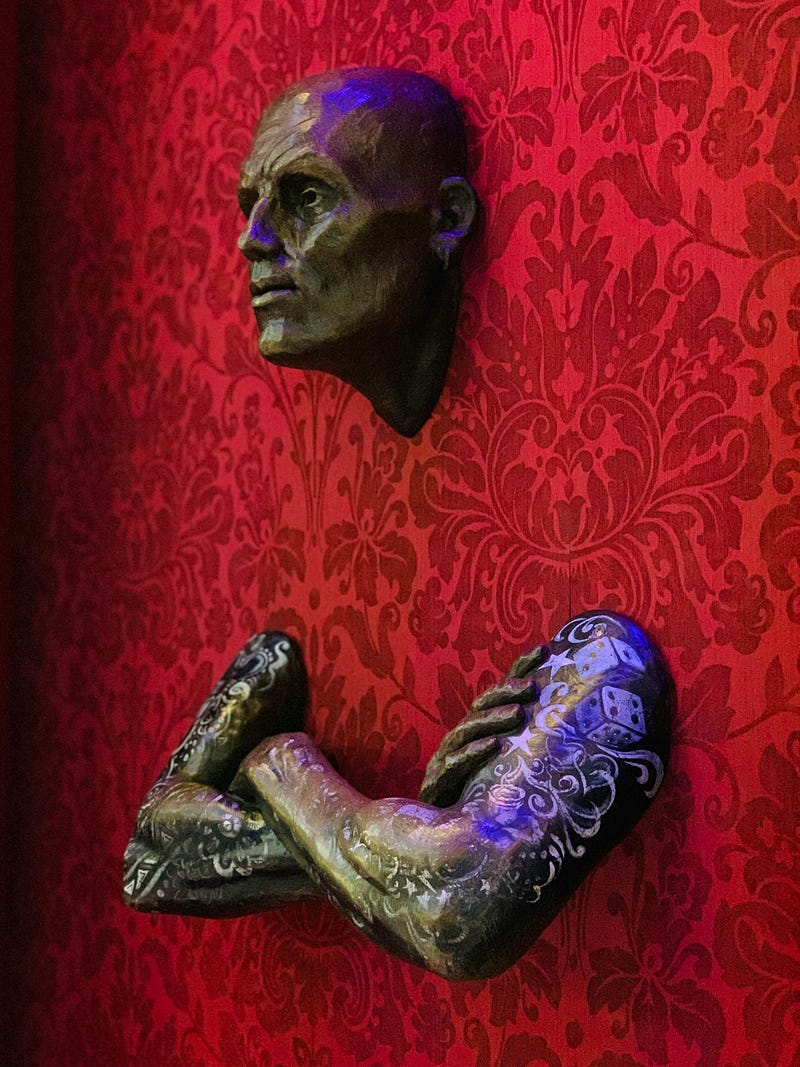
Magic has captivated human imagination for centuries, from the mystical practices of ancient civilizations to modern-day fantasy stories. But what if magic is more than just tricks, illusions, and folklore? In The Red Book, Carl Jung delves into the depths of what he calls the “essence of magic,” offering a perspective that goes beyond common conceptions. Jung’s exploration of magic is not limited to spells or paranormal phenomena; instead, it reaches into the realms of the unconscious, where the unknown and the mysterious converge with personal and collective human experiences. This blog post will explore some of the key insights Jung provides on the nature of magic.
- Magic is the Gateway to the Unknown
At the heart of Jung’s exploration of magic is the idea that it emerges where knowledge ends. Magic, according to Jung, comes into play where human understanding reaches its limits. He argues that magic is not simply about supernatural acts or tricks; it is about engaging with the dark, mysterious, and unknown aspects of existence. Magic is the space where we confront what we do not understand — whether within ourselves or the world around us.
In The Red Book, Jung experiences magic not through external forces, but through his personal journey into the depths of his unconscious mind. His active imagination — the process of visualizing and interacting with his unconscious — reveals a different type of magic, one that ties closely to personal and collective psychological experiences. This form of magic, according to Jung, has existed throughout time and space in myths, stories, and religious practices. Magic, for Jung, is not merely a cultural relic but a profound force within human experience.
2. The Power of Words as Magic
One of the key themes Jung emphasizes in The Red Book is the magical power of words. He reflects on how words are not just tools for communication but have the power to shape reality. In the beginning, as the Bible says, “was the word,” and Jung connects this ancient notion to the magical essence of language. Words create laws, form governments, shape religions, and build societies. They also manipulate and control, as seen in advertising, propaganda, and political rhetoric.
Jung notes that words are magical instruments because they bridge the inner and outer worlds. Without words, modern life as we know it would cease to exist. In the same way that a magician uses incantations to produce an effect, leaders, scientists, and creators use words to transform the world. However, this power can be both constructive and destructive, depending on how it is wielded.
3. Inner vs. Outer Magic
Jung introduces a key distinction between outer and inner magic. Outer magic refers to the manipulation of the physical world through science, technology, and external forces. It’s the magic of technological advancements, market schemes, and societal structures. While outer magic can produce significant changes in the material world, it often leaves the soul and spirit untouched or even impoverished.
Inner magic, on the other hand, is where Jung’s true interest lies. This is the magic of the spirit, the unconscious, and personal transformation. Inner magic does not involve manipulating the external world for personal gain but rather engaging with the deeper forces within ourselves. Jung’s writings suggest that true magic requires a confrontation with chaos, the unconscious, and the unknown parts of our psyche. It is in this confrontation that personal transformation occurs, unlocking hidden potentials within us.
4. Overcoming Fear: A Path to Magic
Fear is a recurring theme in Jung’s discussion of magic. He argues that fear arises from ignorance and the unknown, and it is fear that often prevents people from engaging with the deeper aspects of magic. Overcoming fear is crucial for accessing the inner dimensions of magic. Jung believes that by confronting fear — rather than fleeing from it — we open the door to the magical forces within us.
For Jung, fear is not something to be banished but embraced. It serves as a guide, drawing our attention to the areas of our life that need transformation. In magic, fear is a teacher, showing us where we are ignorant and pushing us to confront the unknown. Jung suggests that engaging with fear rather than avoiding it is essential to tapping into magic’s true potential.
5. Chaos and the Role of the Unconscious
The unconscious mind plays a central role in Jung’s exploration of magic. He describes the unconscious as a chaotic, mysterious force that holds the key to true magic. Magic, in this sense, is not a controlled or orderly process. It is chaotic and requires a surrender to the unknown. By embracing chaos and allowing the unconscious to unfold, we can access deeper layers of wisdom and insight.
Jung argues that resisting the unconscious — trying to impose order and control — limits our potential for personal growth. Instead, we must allow the unconscious to lead us, trusting in the process even if it feels disorienting or irrational. This is where magic truly happens, in the space where reason meets unreason, and order meets chaos.
6. Magic as Prophecy and Transformation
One of the most profound aspects of magic, according to Jung, is its connection to prophecy and the future. Magic, he suggests, has the power to both unleash and bind chaos, transforming it into new paths and insights. In The Red Book, Jung describes receiving prophecies about war, religion, and the darkness of magic. These prophecies reveal not just future events but deeper truths about the nature of reality and the human condition.
Through magic, Jung argues, we can access the future in ways that science and reason cannot. Magic allows us to engage with the unknown in ways that are transformative and healing. It is through this engagement that we gain insight into the deeper forces shaping our lives and the world around us.
Conclusion: The Essence of Magic
Jung’s exploration of magic in The Red Book challenges us to rethink what magic truly is. It is not about tricks or illusions, nor is it something to be mastered or controlled. Magic, in its truest form, is the force that connects us to the unknown, the unconscious, and the chaotic forces within ourselves and the universe.
Magic requires courage, as it asks us to confront our fears and embrace the unknown. It requires humility, as it demands that we relinquish control and allow chaos to unfold. Most importantly, magic is about transformation — both personal and collective. As Jung emphasizes, the way to magic lies within each of us, waiting to be unlocked through our willingness to engage with the mysterious, the unknown, and the uncharted territories of our own psyche.
In the end, the essence of magic is love — the uniting of opposites, the bringing together of light and dark, conscious and unconscious, good and evil. Through this unity, magic transforms not just the individual but the world. It is the force that shapes reality, and as Jung teaches, it is available to each of us if we dare to embrace it.
 One Way Life
Leave a comment